
Web
22 September 2026·6 min
Next.js or WordPress? How to choose in 2026
Is it template speed, or a coded spine that behaves like a product? The answer comes from the need — not the package price.
ReadPractical writing on design and software decisions.
A headless CMS separates content from the site. Directus is a panel the team knows; Next.js stays in front.
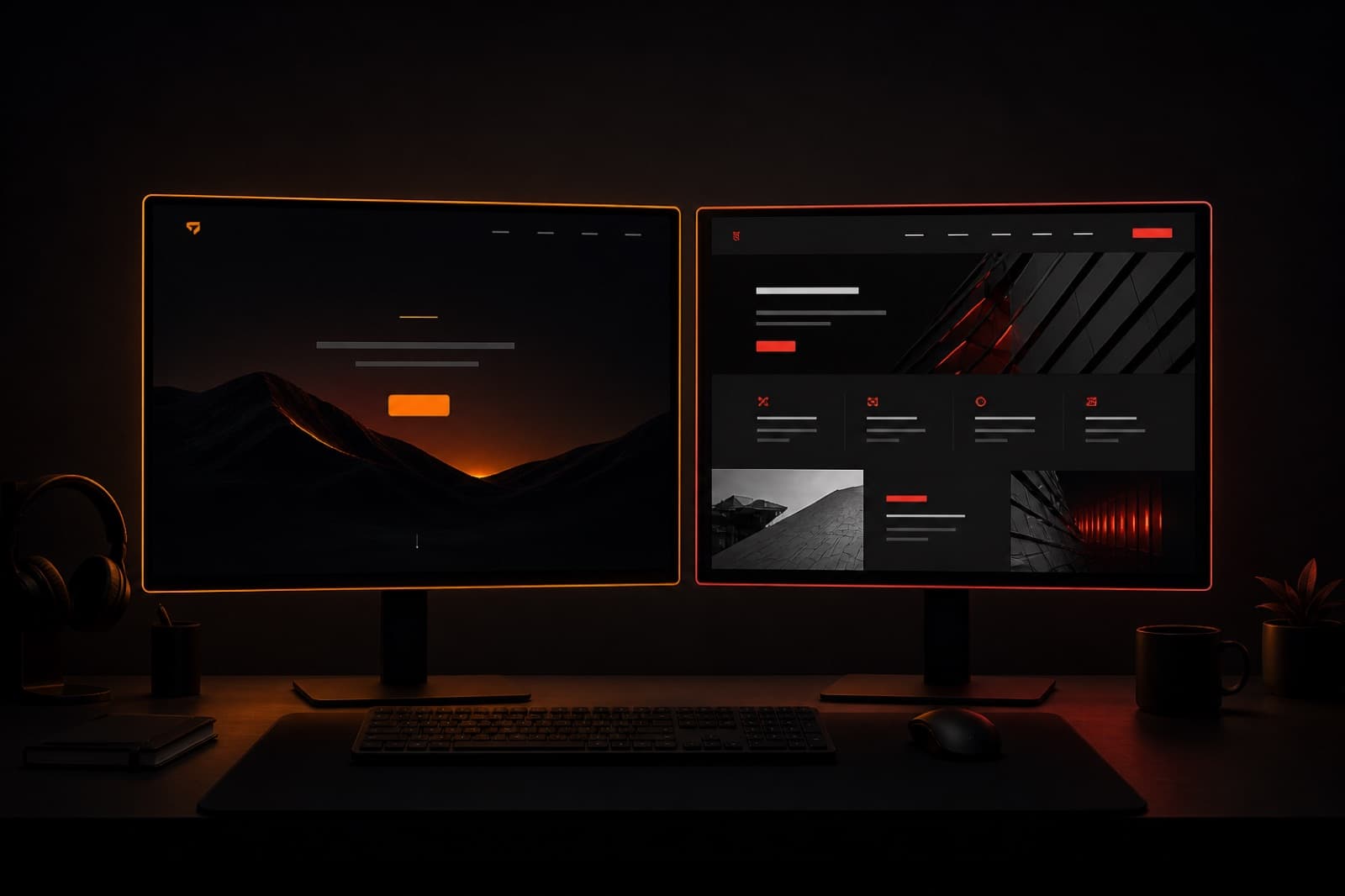
Picking a theme is not a project plan. Service doors, language, quote path, and measurement should be written first.
Fast pages and clean meta alone do not rank. But they keep control in your hands — together with content and architecture.
Live work, not slide decks. Process, stack, contact, and the ability to say “no” should be clear.
Purchasing looks for a product line, not a story. Family, specs, and a quote path should sit in one glance.
If repair, production, and R&D share one roof, one general page is not enough. Keep doors separate and contact visible.

Not every product needs AI. Ask first: what can the user not know — and is the output a forecast or a record?

A rebuild is not a “modern look” decision. If pages are hard to find, language is missing, or the quote path is dead, the site is not doing its job.
On industrial and wholesale sites, trust does not come from slogans. Specs, address, and contact should read in one glance.
Some interfaces are for choosing, not browsing. Category first, dependent fields next, one action last.

Rental needs size, dates, and appointments. Collections should feel like fashion; operations should run like a calendar.
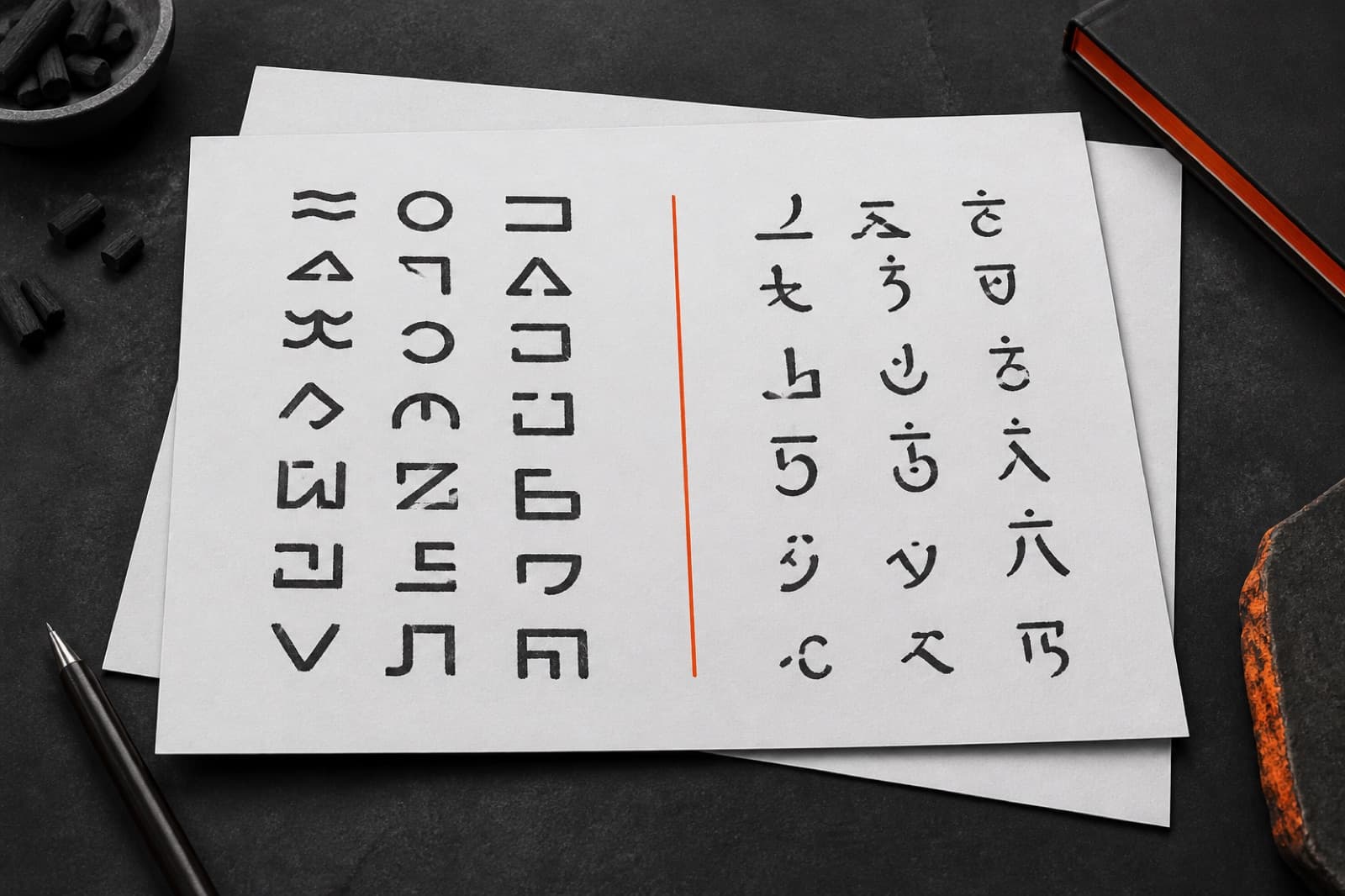
Turkish / English (and Russian) is not a flag icon. URL, title, and the language switch in the header have to be one system.
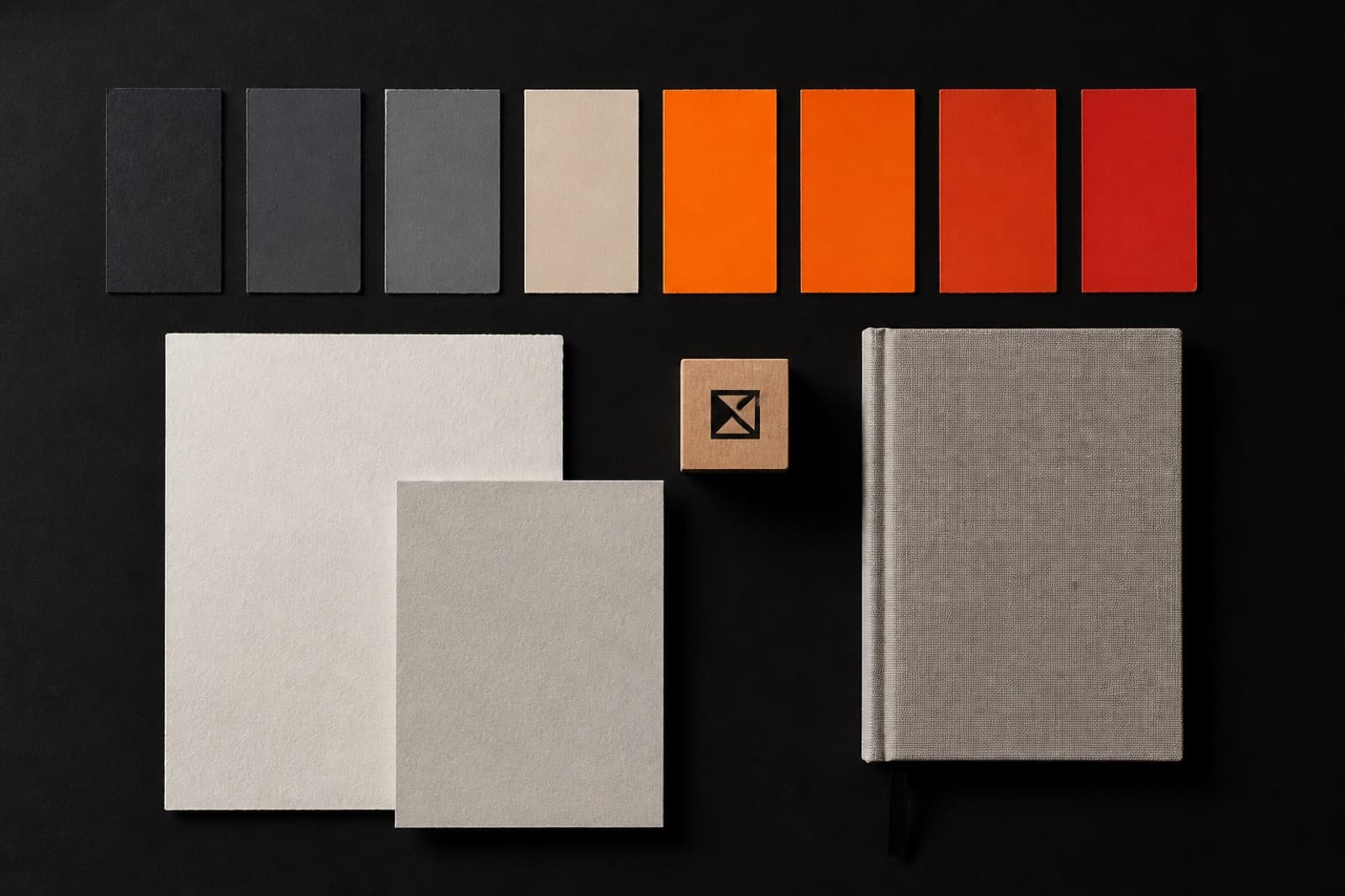
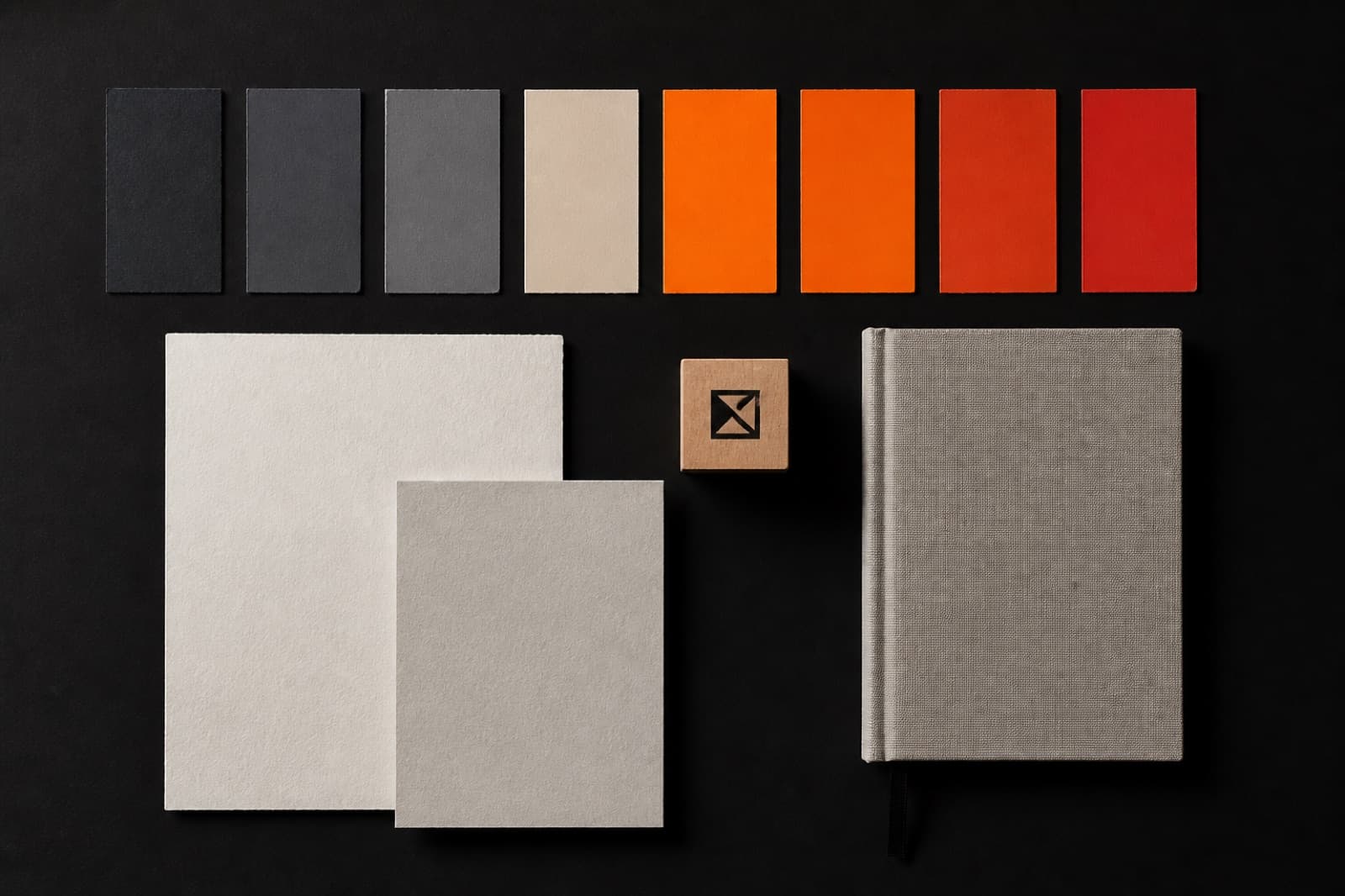
A logo is a mark. Identity is colour, type, and the same family repeating in the interface. If the site splits, the brand stays in a PDF.
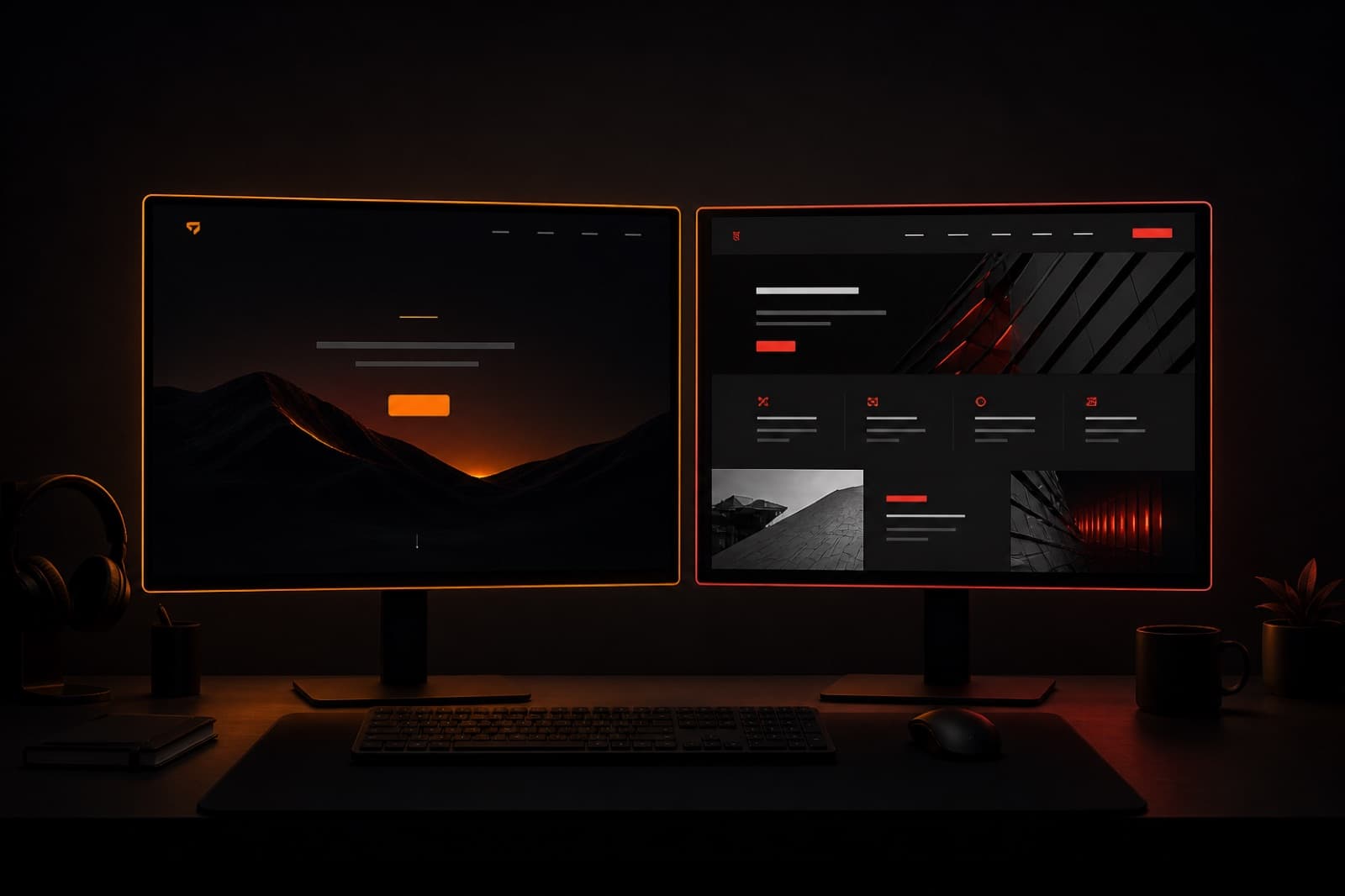
One campaign wants one page. A firm, its services, and a quote path want structure. Do not force both into the same template.